


Business challenge
Automating the work that is quietly eating the week
Free consultationNDA on requestReply within one working day
What this looks like
You will recognise at least one of these
- 01
The same data is typed in twice
An order arrives in one system and is rekeyed into another. The two disagree within a week, and someone spends Friday finding out which is right.
- 02
A report takes a day to produce
Exports from three places, joined in a spreadsheet by one person who understands the joins. When they are on leave, the report does not happen.
- 03
Approvals live in an inbox
There is no record of who approved what, or when. Chasing is manual, and an approval that is missed is invisible until something goes wrong downstream.
How we approach it
The order the work goes in
Sequence matters more than tooling here. Most of the expensive mistakes are made by doing the right things in the wrong order.
- 01
Measure before you automate
Time the task and count how often it runs. Automating something that takes four minutes a month is a cost, not a saving — and the discipline of measuring usually surfaces a better candidate.
- 02
Fix the process, then automate it
Automating a broken process makes it produce wrong answers faster and removes the human who used to notice.
- 03
Keep a person where judgement is needed
The aim is to remove the mechanical steps around a decision, not the decision. Exception handling is a feature, not an afterthought.
- 04
Make failures loud
An automation that silently stops is worse than no automation, because everyone downstream assumes it ran.
Where we help
The services that do this work
These are existing engagements rather than a new offering — each links to what it actually involves.
Business automation
Automating operational processes end to end within the business.
Learn moreDigital process automation
Workflow, orchestration and rules across systems and teams.
Learn moreEnterprise service bus
One integration layer so applications exchange data without point-to-point coupling.
Learn moreAPI economy and microservices
Interfaces designed to be automated against, rather than scraped.
Learn moreAutomation for charities
The same argument applied to charity operations — Gift Aid, donations, membership and supporter services.
Learn more
If you can name the task that everybody dreads and nobody owns, that is usually the right place to start.
Relevant work
All case studies- Business community platform
A growth platform for half a million businesses
Manual work across the sales funnel reduced by approximately 75%, on the client assessment — enquiry handling, qualification, follow-up and scheduling that previously needed a person at each stage now run automatically.
Read the case study 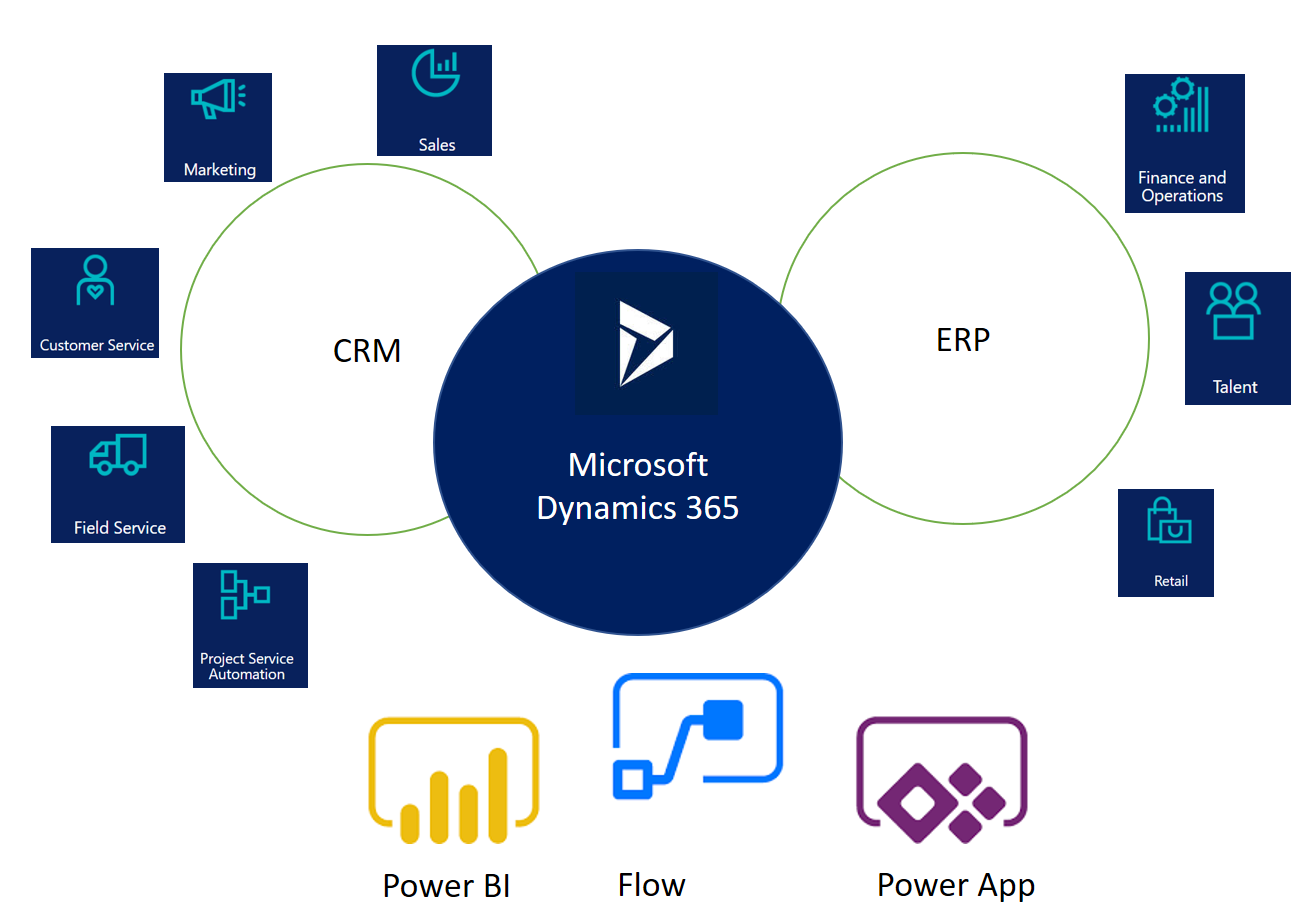 Membership
Transforming operations with Microsoft Dynamics 365
Operational Efficiency — Manual work reduced significantly with automated workflows.
Read the case study Non-profit
A Salesforce CRM for a global fundraising organisation
Stronger Donor Relationships — Improved engagement through personalised journeys.
Read the case study
How the work runs
See the full processBusiness challenge
Start with a conversation, not a proposal
Tell us what is not working. If we are not the right people for it, we will say so.
Or call 020 3059 4506 · Mon–Sat, 9am–5.30pm