


AI and automation for finance teams
AI for finance, with the control environment left intact
Free consultationNDA on requestReply within one working day

Banking
Transaction systems, risk and reporting, with approval and controls left with your people.
Trusted by global clients and organisations


The situation
Finance teams spend their expertise on matching
The people you hired for judgement spend a large share of the month on work that is mechanical, repetitive and entirely rule-based.
- Reconciliation done line by line, every month
- Invoices keyed from PDFs into the ledger
- Approvals waiting in an inbox while month-end runs down
- The management pack rebuilt by hand from four exports
- Intercompany balances reconciled in a spreadsheet
- Nobody able to answer a variance question without a day of work
What it covers
Where automation and AI fit in finance
The distinction that matters throughout: preparing a number is mechanical, approving it is not.
Transaction matching
Bank, ledger and invoice reconciliation automated for the clear matches, with exceptions raised for a person.
Invoice and document capture
Reading invoices, receipts and statements into structured data rather than keying them. Mature technology and a reliable saving.
Approval workflow
Routing, thresholds, delegation for absence and an audit trail produced automatically.
Close automation
Recurring journals, accruals and checklists that run and evidence themselves.
Reporting
Management and board reporting from live data rather than assembled from exports the week before.
Anomaly flagging
Surfacing transactions that look unlike their history for a human to review — a prompt to look, never a conclusion.
How we work
How a finance engagement runs
Controls first. Automation that weakens segregation of duties is not a saving, it is a finding at your next audit.
- 01
Map the close
Every task, who does it, what it depends on, and how long it actually takes rather than how long it is meant to.
- 02
Automate the mechanical
Matching, capture and recurring journals — the work with a right answer that does not need judgement.
- 03
Keep approval human
Design so the person approving still sees what they are approving. Speed that removes visibility is not an improvement.
- 04
Evidence it
An audit trail that shows what ran, what it matched and who approved the rest.
Outcomes
What it can be worth
- Reconciliation reduced to the exceptions
- Invoices captured rather than keyed
- Approvals moving at the pace of the business, not the inbox
- A shorter close, with the checklist evidenced automatically
- Reporting produced from live data
- Qualified finance time spent on analysis rather than matching
Platforms and tooling
What we work with
Finance systems
- Sage
- Xero
- NetSuite
- Dynamics 365
- SAP
- Oracle
Capture and workflow
- Document AI
- Power Automate
- Azure Logic Apps
- Bespoke workflow
Data
- SQL Server
- PostgreSQL
- Reporting layers
- Azure
- AWS
Named as platforms we work with, not as formal partnerships.
Questions we are usually asked
It should not, and we would not build it that way. Automation prepares, matches and routes; a person approves. That is not caution for its own sake — segregation of duties is a control your auditors will test, and automating the approval itself is what turns an efficiency project into an audit finding.
On standard invoice layouts it is now very good, and it improves with volume on formats it sees repeatedly. It is not perfect, which is why the design routes low-confidence extractions to a person rather than posting them.
Automation generally produces better evidence than a manual process, because every step is logged consistently rather than depending on someone remembering. We build the audit trail as part of the work. We do not advise on your compliance position — that stays with you and your auditors.
It can flag transactions that look unlike their history, which is genuinely useful for directing attention. Treat that as a prompt to investigate rather than a finding — anomaly detection produces false positives, and a system trusted to conclude will eventually accuse someone wrongly.
It varies enormously by how much of your close is mechanical versus judgemental, which is why we map it before quoting. Anyone offering a percentage before seeing your close is quoting an average.
Usually not. Most of this work sits around the system you already run — capture into it, reconciliation across it, reporting from it. Replacing a finance system is a much larger question and rarely the answer to this one.
Talk to us
Talk to someone who has built this
Not a salesperson working from a form. Tell us what the problem looks like and someone who has delivered this kind of work will come back to you, usually within one working day.
Tell us what you need
No obligation, and nothing is shared outside Geecon Global.
Not sure where to start?
Where this usually connects
Business automation
Taking the repetitive administration out of a process.
Learn moreDigital process automation
Approvals, workflows and handoffs that currently sit in an inbox.
Learn moreSystems integration
Making the systems you already own talk to each other.
Learn moreBespoke databases
For the operational data that has ended up in a spreadsheet.
Learn moreOperational systems
The systems that run the day-to-day work of the business.
Learn moreData migration
Moving data between systems without losing its history.
Learn more
Related work
 Membership
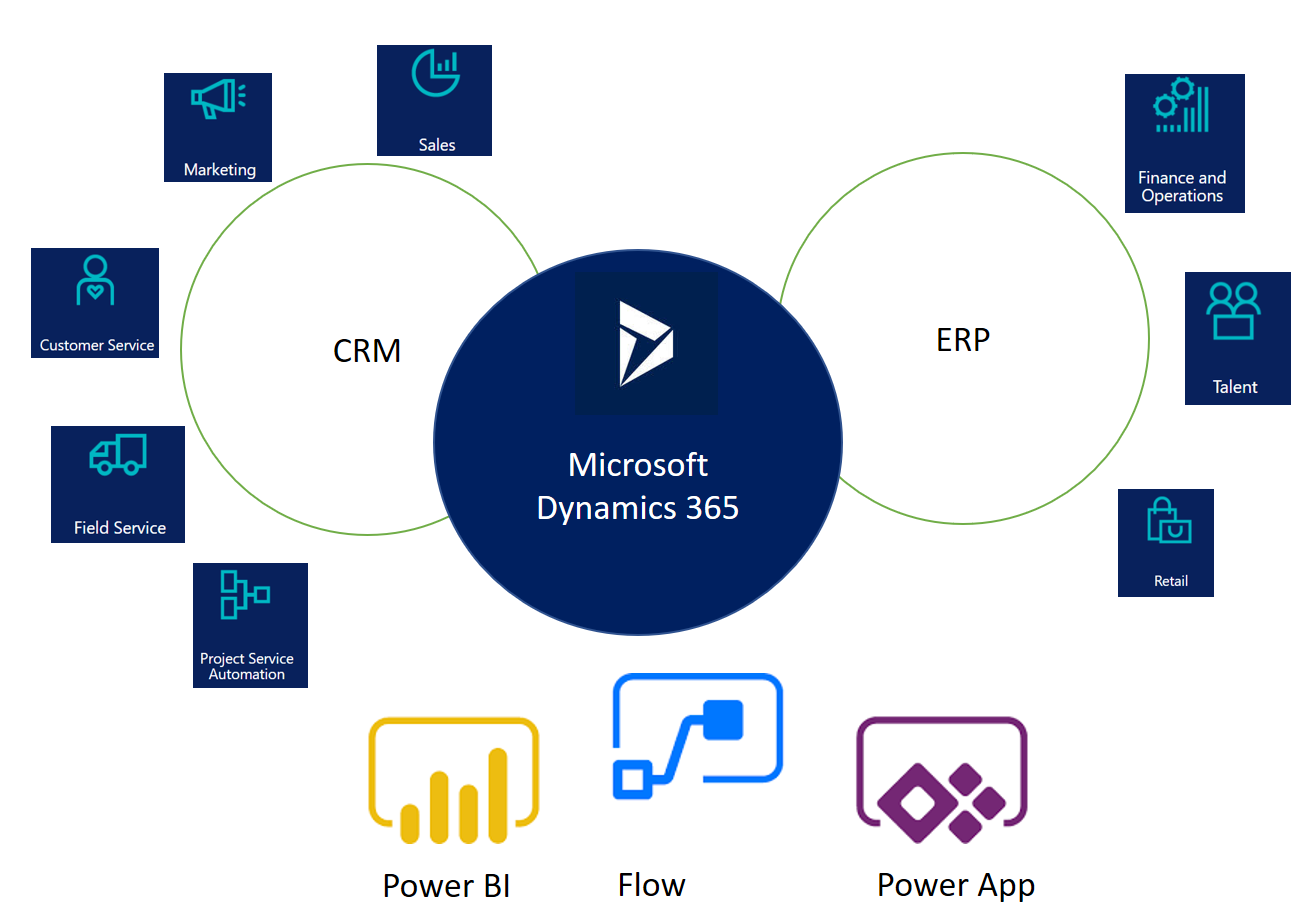
Transforming operations with Microsoft Dynamics 365
Operational Efficiency — Manual work reduced significantly with automated workflows.
Read the case study- Charity
Digital transformation at scale for Compassion UK
Enhanced Supporter Experience — Faster, more engaging website and mobile apps.
Read the case study