


Business challenge
Security that holds up when someone actually looks
Free consultationNDA on requestReply within one working day
What this looks like
You will recognise at least one of these
- 01
Credentials live in the codebase
API keys and tokens committed to the repository, or shipped to the browser in a public environment variable, where anyone who views source can read them.
- 02
Nobody owns dependency updates
The application runs on a framework version that stopped receiving security patches, because upgrading was never anybody's sprint.
- 03
You cannot evidence what you claim
The controls may well be in place, but there is no access log, no change record and no data-retention policy to show an auditor who asks.
How we approach it
The order the work goes in
Sequence matters more than tooling here. Most of the expensive mistakes are made by doing the right things in the wrong order.
- 01
Fix what is exposed first
Secrets in client bundles, endpoints without rate limits, admin routes reachable without authentication. These are cheap to close and expensive to leave.
- 02
Make the secure path the easy path
Server-side credential handling, sensible defaults and automated dependency checks, so a developer under deadline does not have to choose between shipping and doing it properly.
- 03
Design for the evidence, not just the control
Under UK GDPR it is not enough for consent to have been given — you have to be able to show when, to what, and against which version of the policy.
- 04
Keep it true after go-live
Patching, log retention and access review are ongoing obligations. A system that was secure at launch and untouched since is not a secure system.
Where we help
The services that do this work
These are existing engagements rather than a new offering — each links to what it actually involves.
Hosting and managed infrastructure
Provisioning, monitoring, backups and patching for the systems we build.
Learn moreApplication development and maintenance
Ongoing ownership, so dependency and platform updates actually happen.
Learn moreIntegration services
Moving data between systems without opening a hole between them.
Learn moreCloud services
Network, identity and data-residency decisions made deliberately.
Learn more
Geecon holds Cyber Essentials and ISO 27001 certification, shown in the site footer. If you are preparing for an audit or answering a client security questionnaire, that is a good moment to talk.
Relevant work
All case studies- Hospitality
A multi-tenant ordering platform for independent restaurants
Restaurants trading under their own brand and domain, with the customer relationship staying with them.
Read the case study 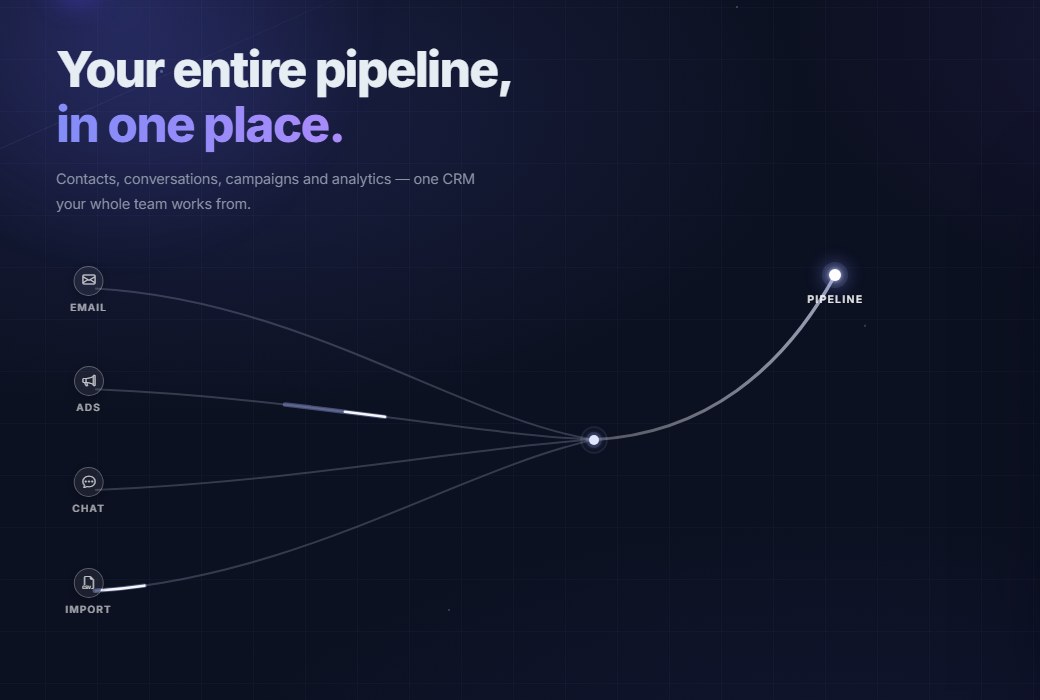 Sales
SalesA CRM built for lead data at scale
Lead lists in any spreadsheet layout imported without manual reformatting.
Read the case study
How the work runs
See the full processBusiness challenge
Start with a conversation, not a proposal
Tell us what is not working. If we are not the right people for it, we will say so.
Or call 020 3059 4506 · Mon–Sat, 9am–5.30pm